

NSK Washer / SK Washer
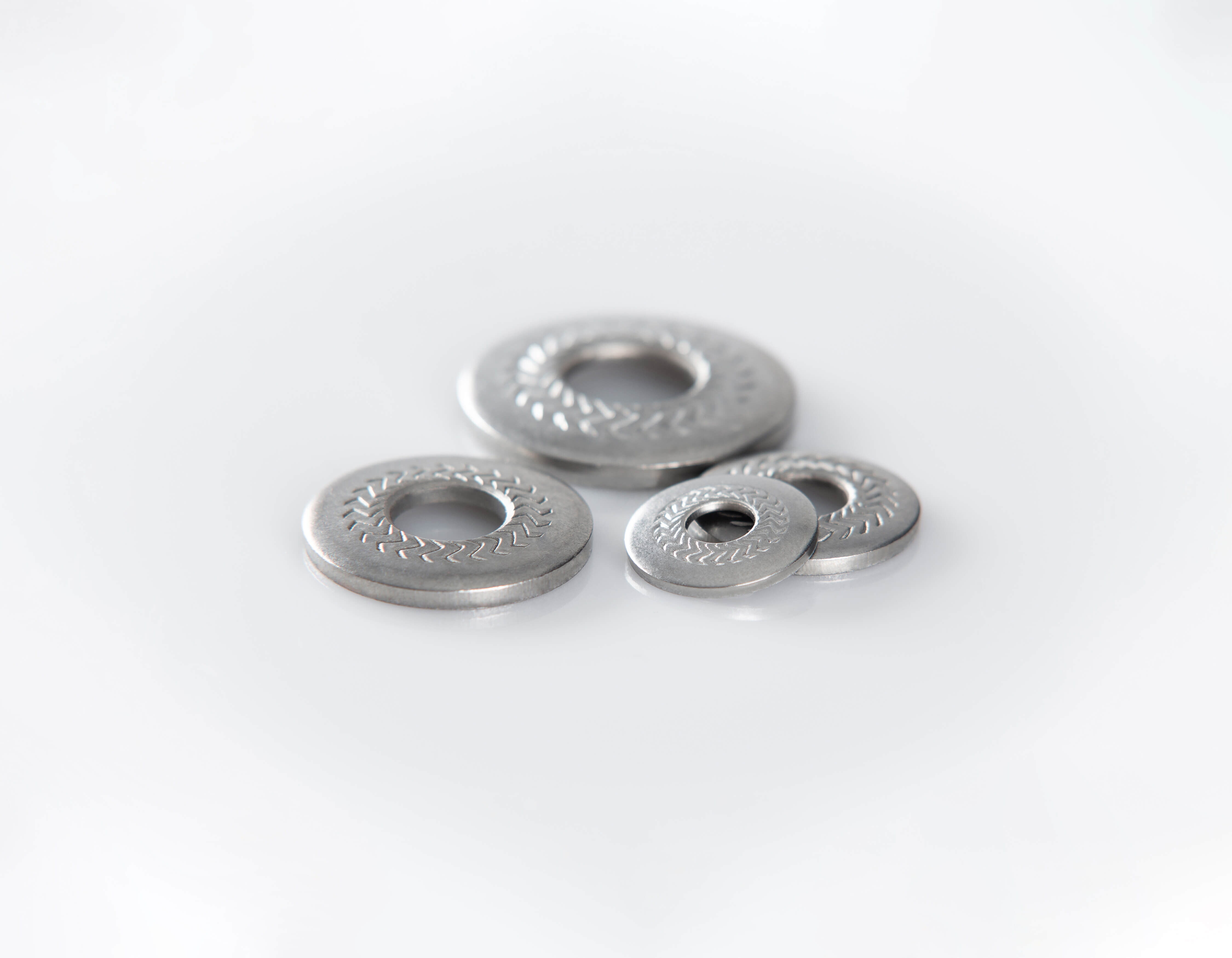
Difference Between the Locking Washer and the NSK Washer
Lock-edge washer
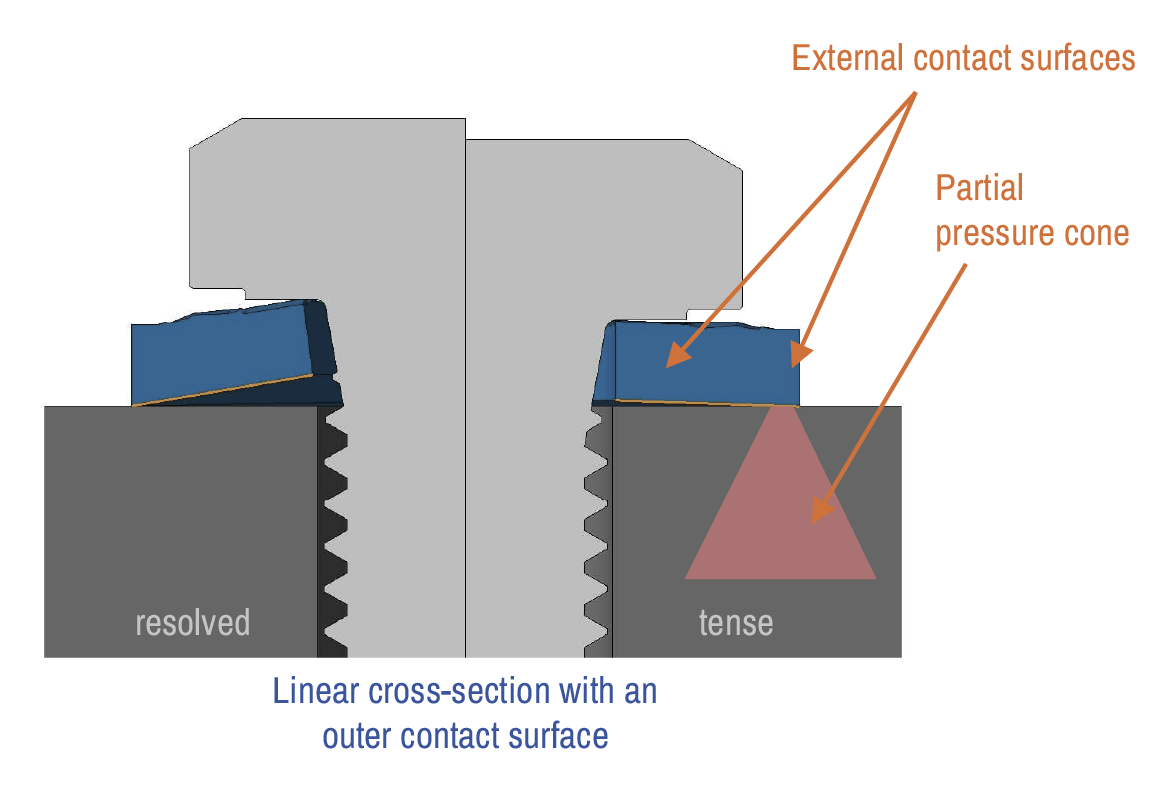
The original locking-edge (SK) washer was designed in 1990 as an anti-rotation device.
It had no defined residual spring characteristics and had no specific effect on resilience.
The corresponding railway standards 208-010-NN from 1995 are no longer valid and no longer reflect the current state of the art in modern bolted connections.
NSK Washer
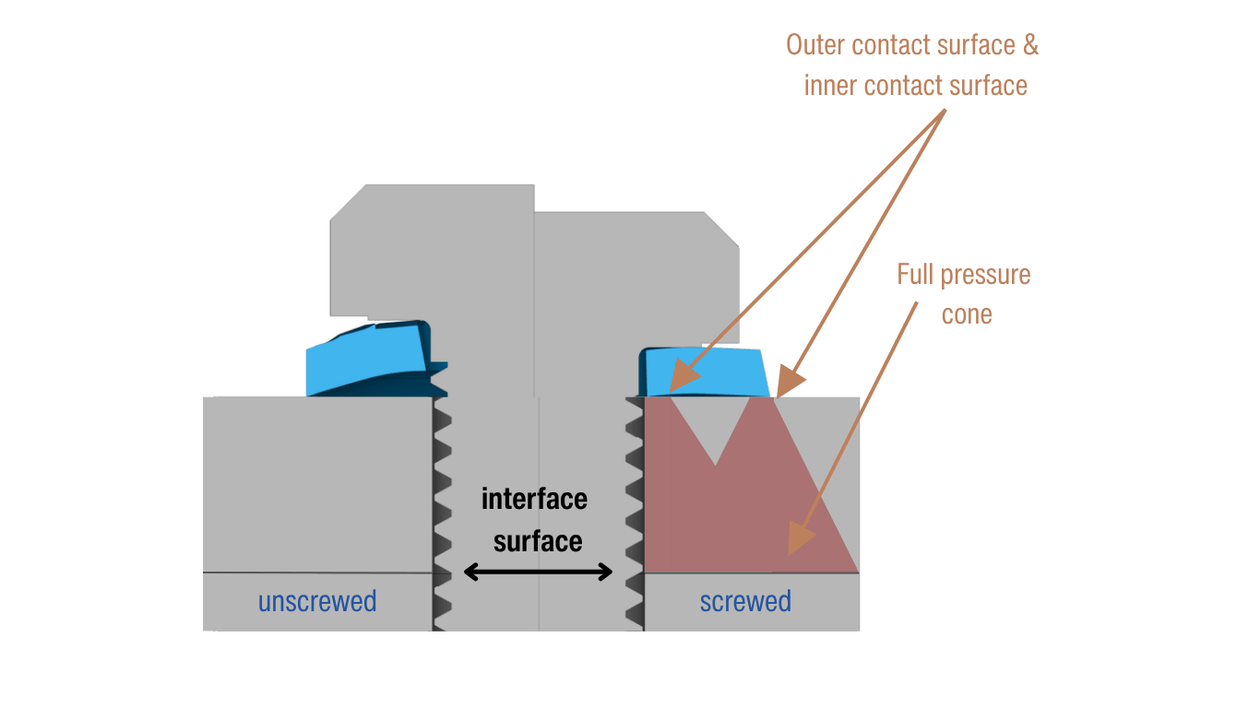
The NSK – Further Development into a Multifunctional Element
The NSK washer is the logical next step in design. It is not a traditional securing element, but rather a multifunctional element designed to:
- Preventing rotation
- Preventing loosening
- Increasing elastic resilience
Operating Principle
- Structural
Reproducible residual spring characteristic curve and expands design flexibility - Preventive
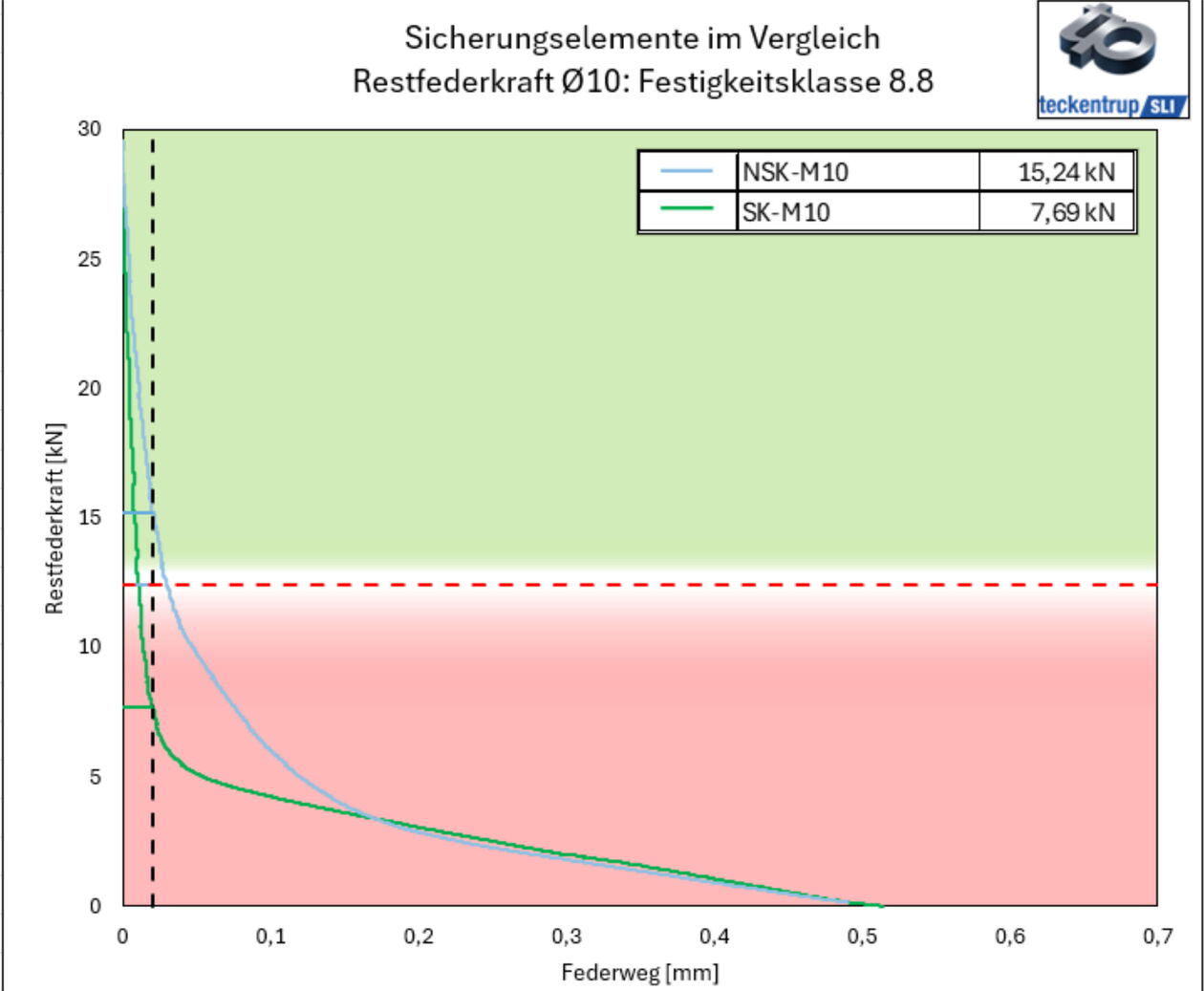
The defined residual spring force stabilizes the preload, prevents slackening, and compensates for embedding and relaxation losses - Reactive
Maximum resistance to slackening, in accordance with DIN 65151 and DIN 25201-4 - Proven
Many years of use in high-speed trains—including in the undercarriages and door systems of the ICE
Conclusion
The locking washer is an anti-loosening device from the 1990s that was developed in accordance with the then-current railway standard 208-010 from 1995 and is no longer state-of-the-art.
The NSK is a modern, standards-compliant, multifunctional screw locking element that, based on current standards such as DIN EN 17976 from 2025, prevents slackening and, as a structural element, increases elastic resilience—while maintaining identical dimensions and costs.
A Systematic Approach to Screw Security
The NSK washer combines structural, preventive, and reactive safety throughout all five life stages of the bolted joint.
Watch the video now to understand how it works.
| Sperrkantscheibe | NSK | |
|---|---|---|

|

|
|
| Corrosion protection (Corrosion protection class 3 / A4) |

|
|
| Compensation for loosening effects (in accordance with DIN 65151 / DIN 25201–4) |
|
|
| Spring effect, compensation for slackening effects (DIN EN 17976, DIN 267-26) |

|
|
| Increased elastic resilience and sliding strength (according to VDI 2230) |
|
|
| One-piece screw lock solution |
|
|
| Elastic overload protection |

|
|
| Defined / reproducible contact pressure (coefficient of friction) |
|
|
| Weight reduction and expanded design options |
|
|
| Uniform pressure cone |
|
|
| Costs |

|
|
| Installation Dimensions |
|
|
Loosening
Elastic Resilience
Relaxation
Slackening
Embedding
DIN 25201
DIN EN 17976
Corrosion protection
DIN 267-26