

Technical Reports
Learn how innovative screw locking systems perform in practice and what challenges they overcome.
Our technical reports provide technical background information, details on new developments, and real-world application scenarios.
New Standards Introduced by DIN EN 17976:2025-03
Impact on the selection and use of approved fasteners in rail vehicle construction.
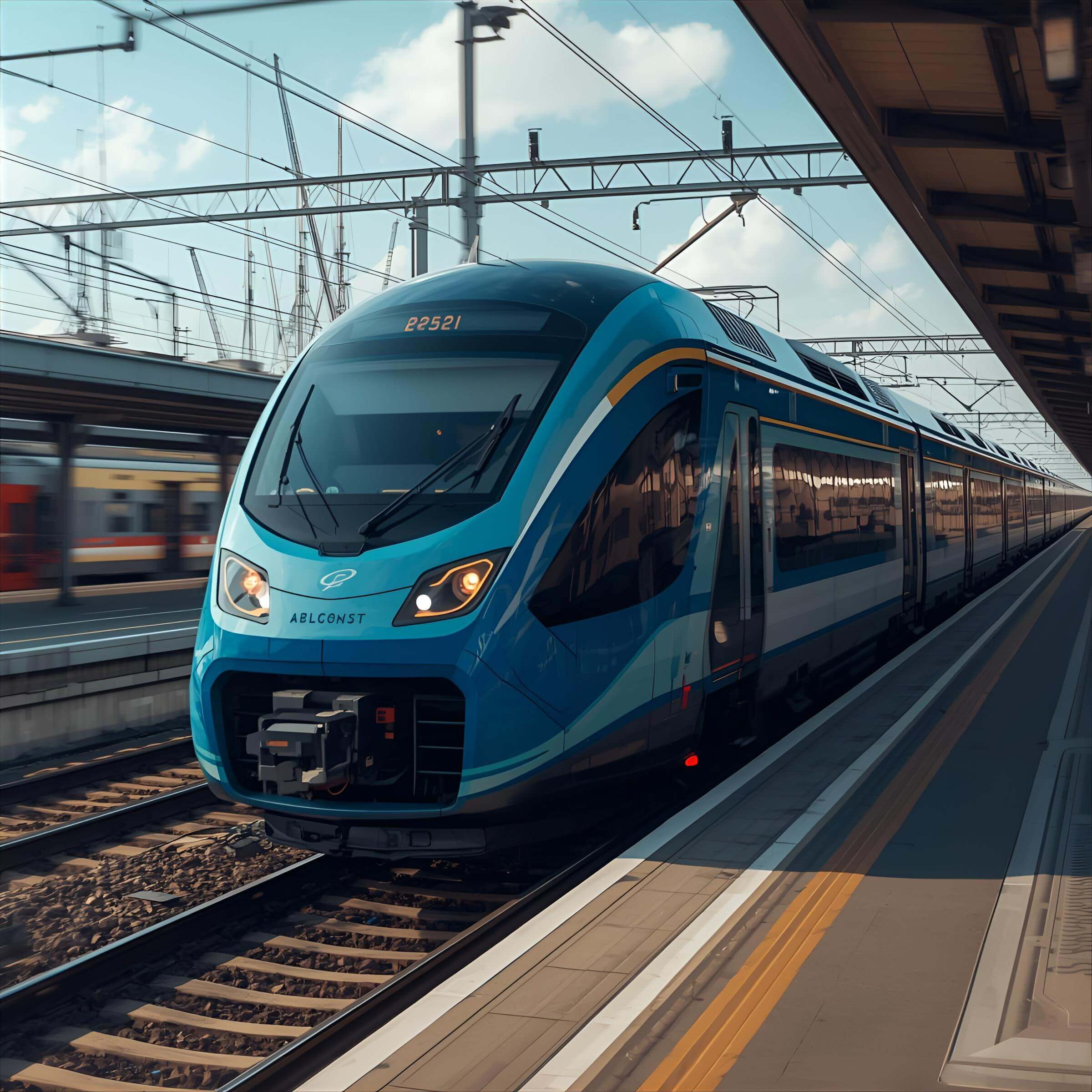
Until now, DIN 25201 “Rail Vehicles and Their Components—Screw Connections” served as the design guideline. Of particular importance for the fasteners to be used was
Part 4, “Securing Bolted Joints.” The entire standard, including all parts, has been replaced by DIN EN 17976, which was published in March 2025 and is valid throughout Europe.
Get an overview of the implications for the selection and use of permissible fasteners in rail vehicle manufacturing.
Press Release NSK-E
A secure securing element for electrical screw connections.
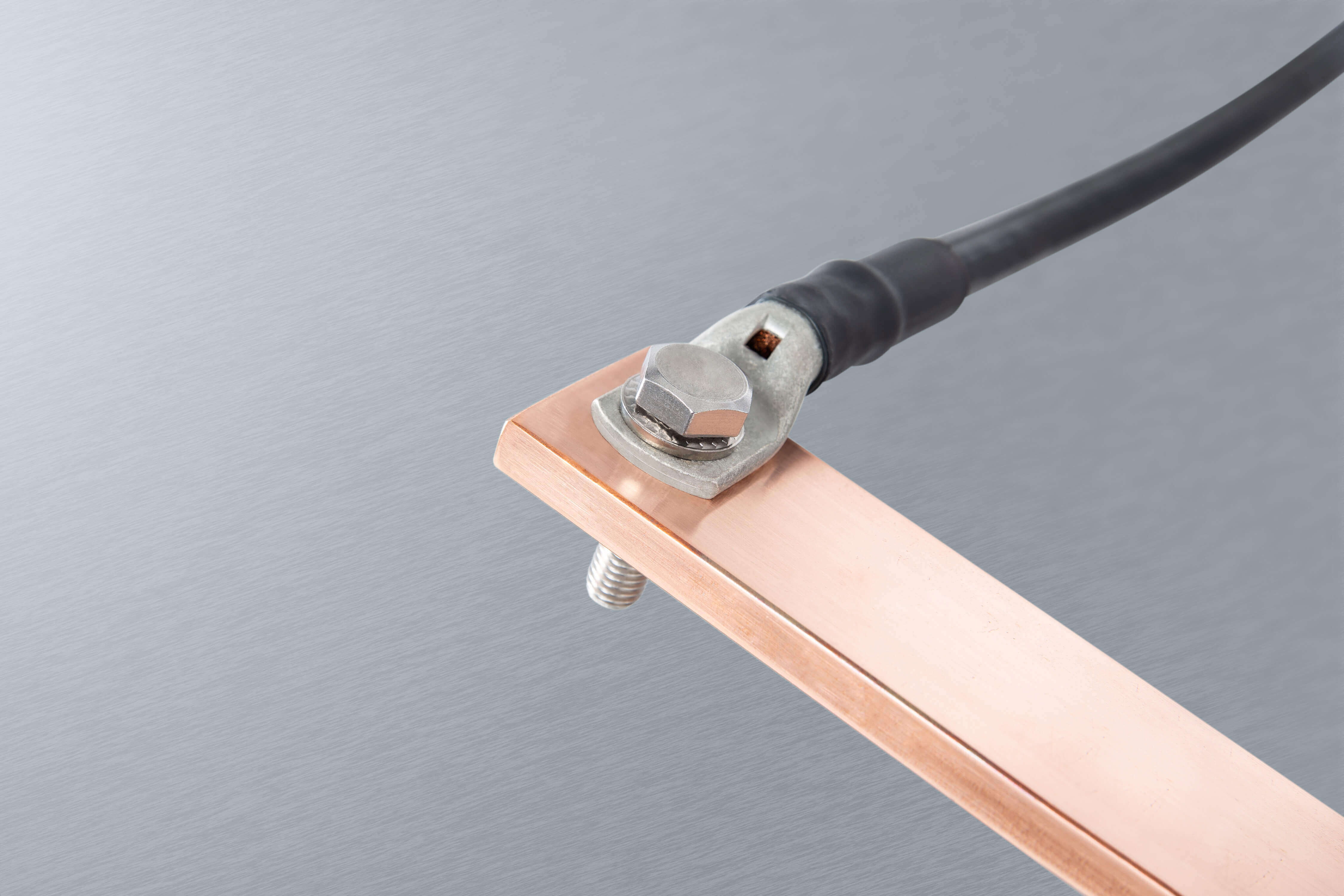
Loose screw connections are a frequently underestimated risk in electrical engineering: Nearly 40% of the power outages experienced by a Canadian utility were caused by loose contacts. Standard securing elements from the mechanical engineering sector often fail to meet the specific requirements of electrical connections. With the new NSK-E washer from teckentrup SLI, electrical connections can be reliably secured.
Learn more and download the technical report now!
Easily Calculate Spring-Loaded Fasteners
Elastic resilience is the deciding factor—not just the preload.
In bolted joints, the stability of the clamping force is largely determined by spring-like effects—and yet, in practice, these are often not taken into account.
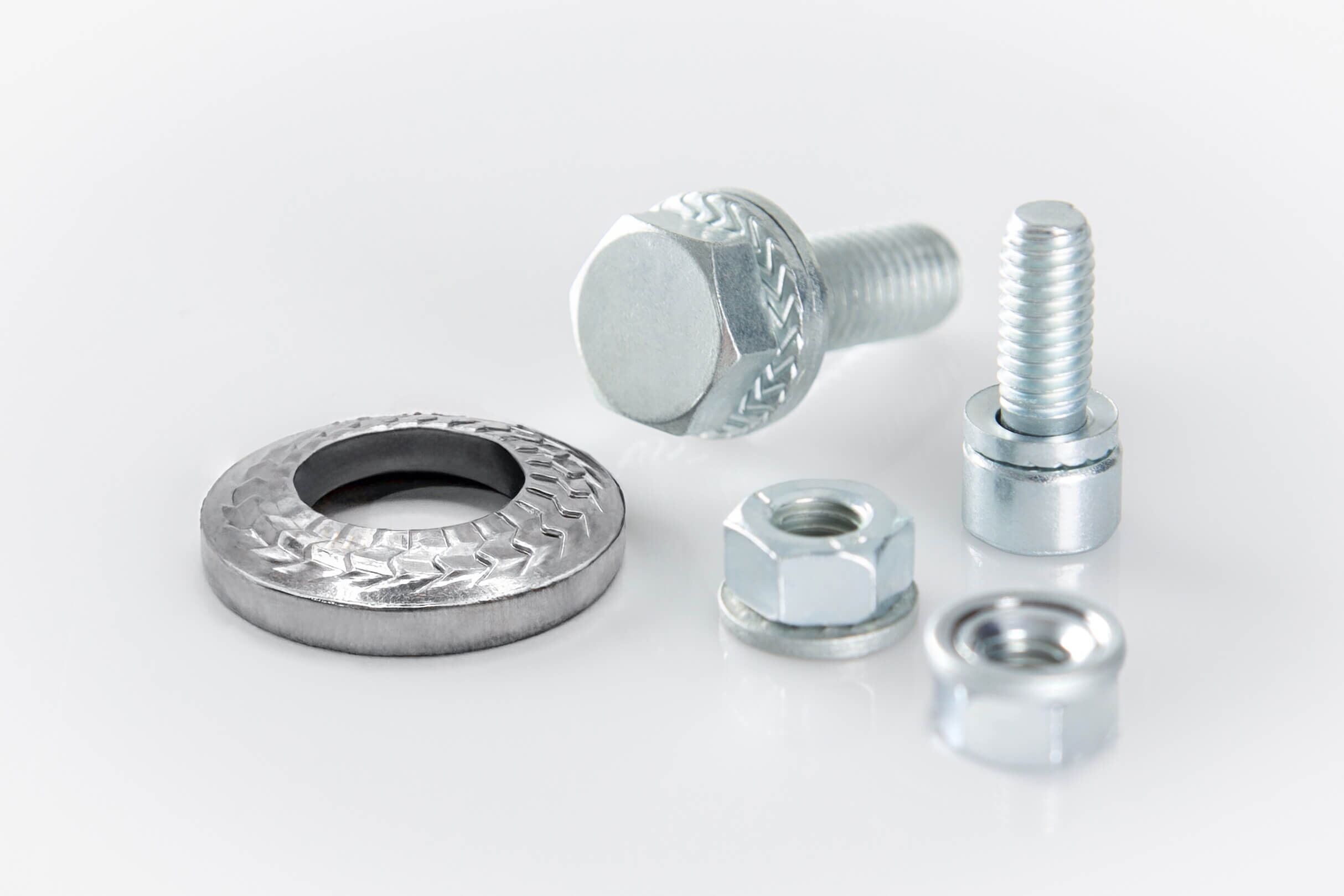
This is precisely where our new technical report with MDESIGN comes in: It shows how, for the first time, the resilience of spring-like fasteners can be taken into account in the design of bolted joints in accordance with standards, opening up new possibilities.
The focus is on a key trade-off: Conventional securing elements prevent loosening—but often reduce resilience. Spring-like elements increase elasticity—but do not reliably prevent loosening.
Multifunctional solutions such as the NSK-N resolve this conflict of objectives. They stabilize the preload force, prevent loosening, and—by being factored into bolt design—enable weight and cost optimization.
Read more in the technical report.
Reliable Electrical Screw Connections – Challenges and Solutions
A consistently low transition resistance is crucial for the functional reliability, energy efficiency, and thermal stability of electrical contact glands.
Particularly at low tightening torques and with limited preload forces, embedding, creeping, and relaxation processes quickly lead to a reduction in contact pressure.
Furthermore, there is a fundamental trade-off: Conventional securing elements typically offer either elastic resilience to prevent loosening or a mechanism to prevent unscrewing. For electrical applications, however, both properties are required.
The NSK-E was developed specifically to meet these requirements and combines both operating principles—particularly for connections with low preload forces.
The technical report by TÜV Saarland presents practical solutions for permanently stable and secure connections.
A New Approach to Electrical Screw Connections
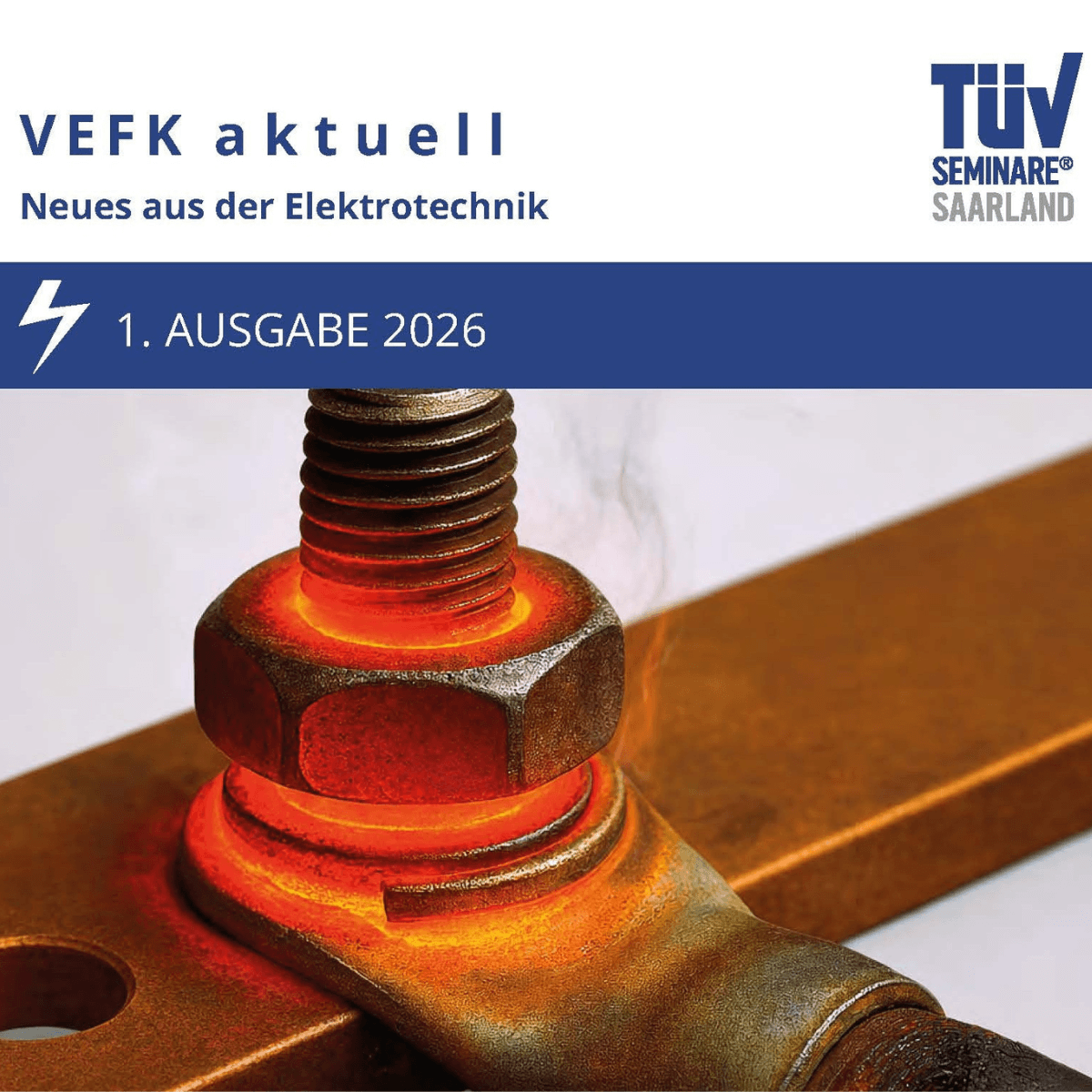
A consistently low transition resistance is crucial for the safety, energy efficiency, and thermal stability of electrical contact connections.
These act as thermo-electro-mechanical systems in which preload force, contact pressure, and temperature are coupled over time.
In practice, low tightening torques, short clamping lengths, and soft conductor materials lead to embedding, creeping, and relaxation effects that reduce contact pressure. At the same time, thermal expansion, vibrations, and variations in the coefficient of friction
have a destabilizing effect.
Conventional securing elements usually address only individual operating principles and lead to design trade-offs.
Multifunctional systems such as the NSK-EL combine elastic resilience with anti-loosening protection, thereby ensuring a consistently stable contact force and electrical performance.
Learn more in the technical report.
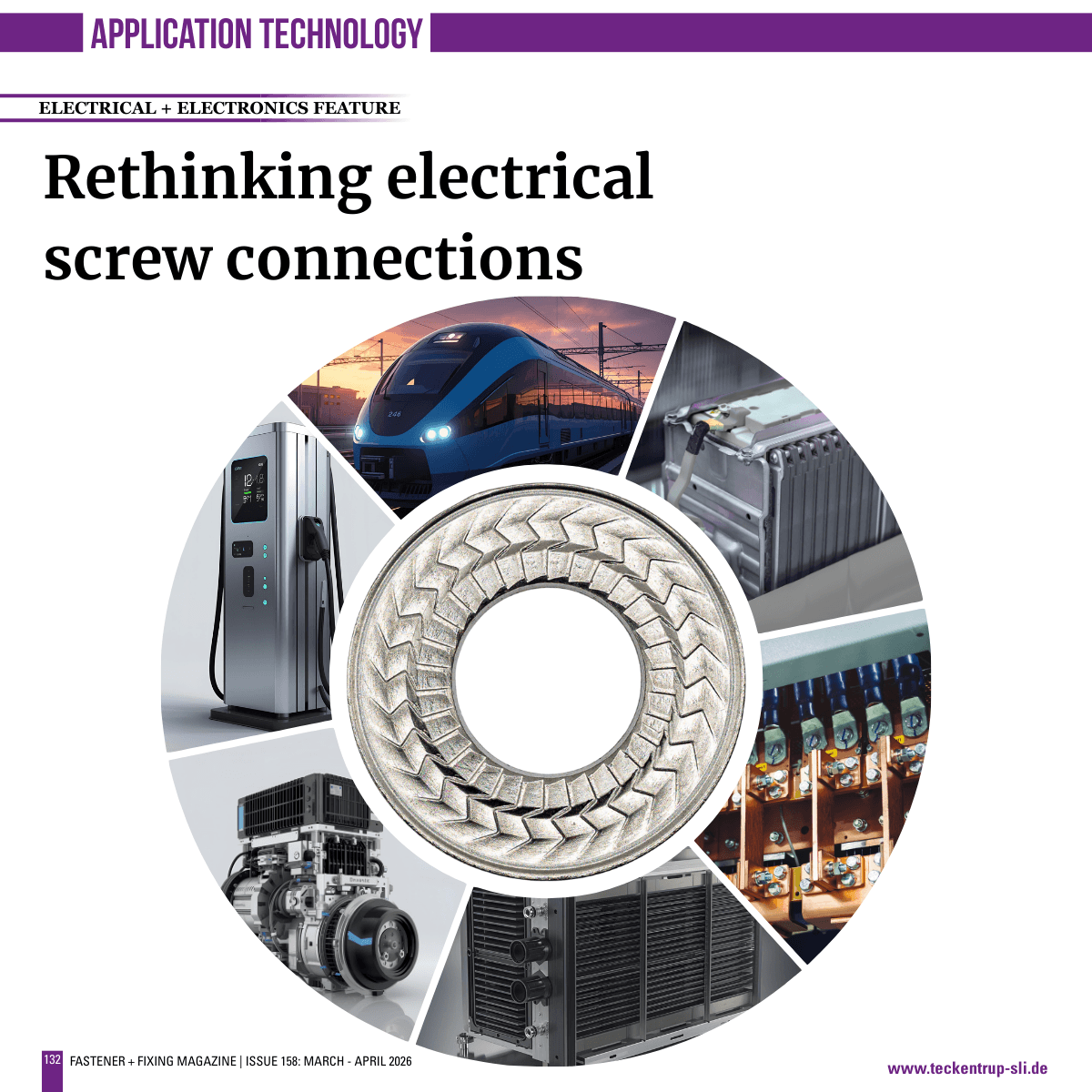
Effectively Securing Electrical Contact Glands
A consistently low transition resistance is crucial for safety, energy efficiency, and thermal stability.
Electrical contact glands are thermo-electro-mechanical systems in which the different thermal expansion coefficients of the conductor and screw materials lead to variations in thermal expansion and influence the contact pressure.
Particularly with low preload forces, short clamping lengths, and soft conductor materials, embedding, creeping, and relaxation processes lead to a reduction in contact pressure. Thermal influences, vibrations, and variations in the coefficient of friction amplify this effect over time.
Multifunctional locking systems such as NSK-E & EL stabilize the contact pressure and resolve the trade-off between anti-loosening and anti-rotation protection.
Learn more in the technical report and ensure your connections are secure in the long term.
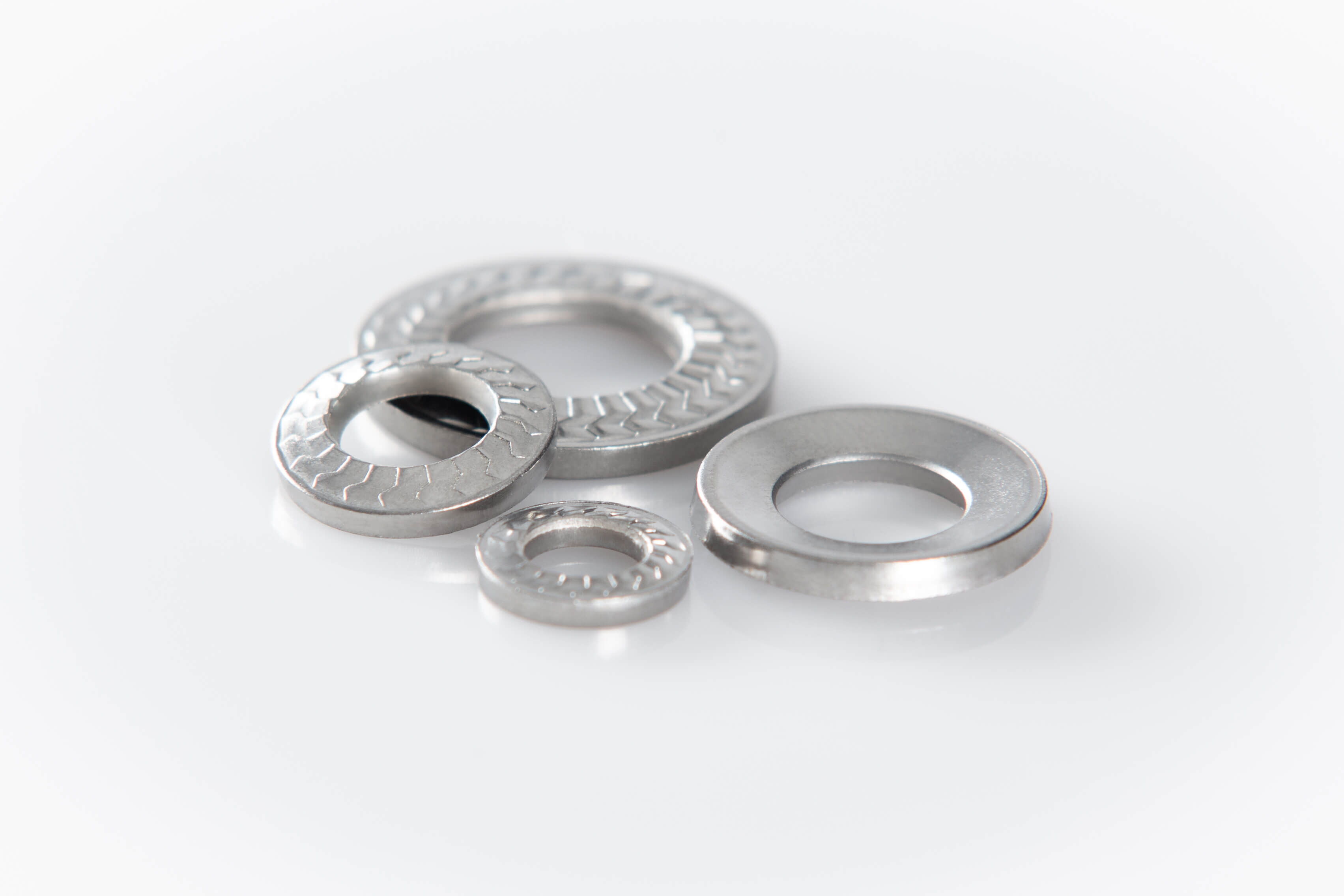
Stainless Steel Screw Locking Elements – Stainless Does Not Automatically Mean Corrosion-Resistant
Stainless steel screw locking elements are not a corrosion specification.
Actual durability is only achieved in the tested end product—through the interplay of material, manufacturing, residual spring force, and system design.
At the same time, two fundamental trade-offs come into play: corrosion resistance (A4) vs. elastic resilience (A2)—as well as anti-rotation protection vs. anti-loosening protection. Conventional securing elements usually address only certain aspects.
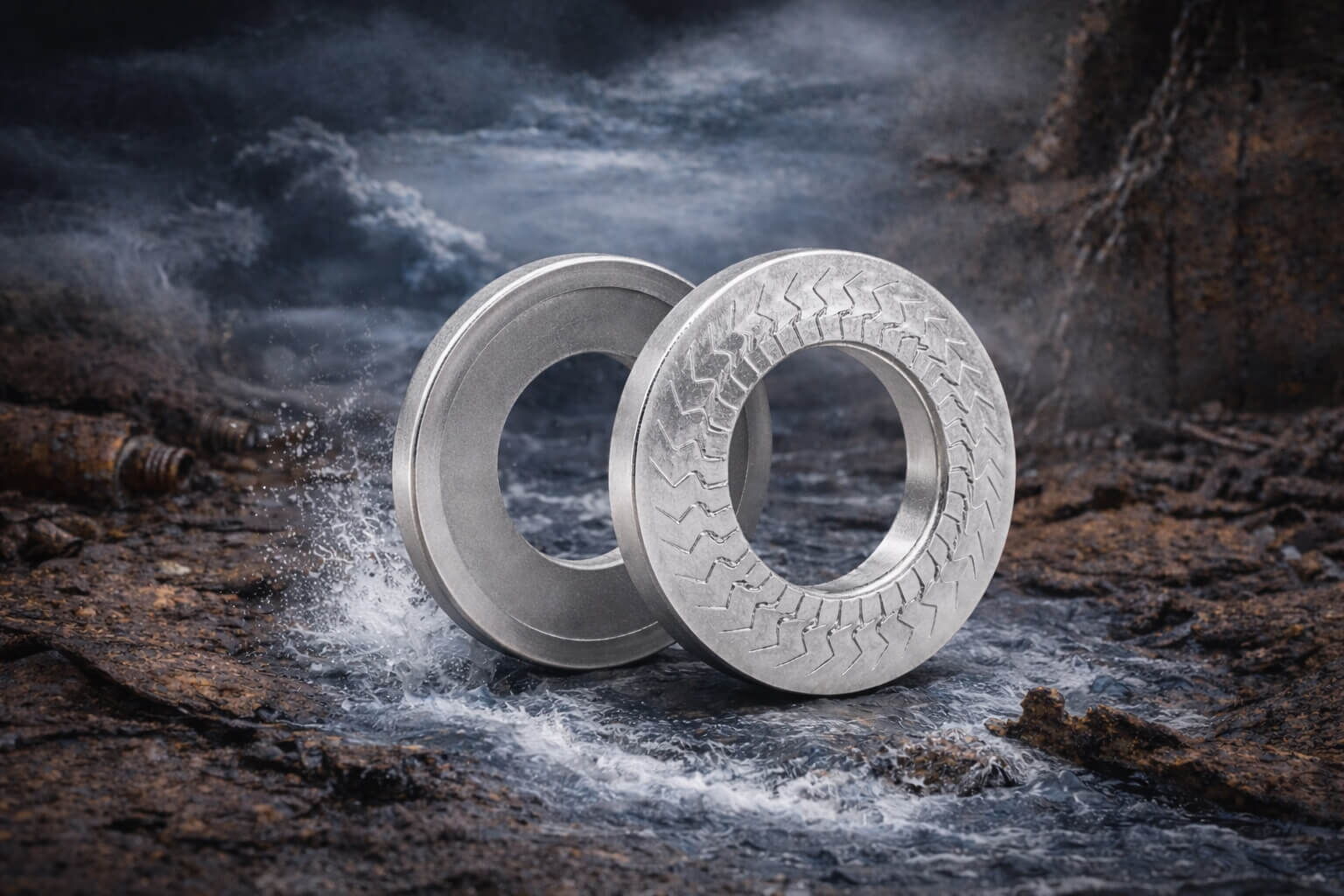
Multifunctional systems such as the NSK-N combine corrosion protection, defined residual spring force, and tested resistance to loosening in a single component for the first time—for a VDI 2230-compliant design with increased operational and life-cycle reliability.
Read the technical report in KEM now.

Spring-Loaded Fasteners – Preload as a Critical Design Factor
The performance of a bolted joint depends on the preload.
NSK washers stabilize the preload through defined residual spring forces and elastic resilience, reducing loss of preload due to embedding, relaxation, and thermal effects.
As a result, they enhance slip resistance, fatigue strength, and overall operational reliability.
In electrical screw connections in particular, NSK washers also ensure stable contact pressure and low transition resistance.
Through the combination of residual spring force, anti-loosening properties, and corrosion-resistant design, they have evolved from a classic securing element into a multifunctional component of modern bolted joints.
DIN 25201
DIN EN 17976
Electrical Screw Connections
Elastic Resilience
Loosening
Electrical Contact Glands
Relaxation
Embedding
Creeping
Corrosion protection
NSK Washers
Slip resistance